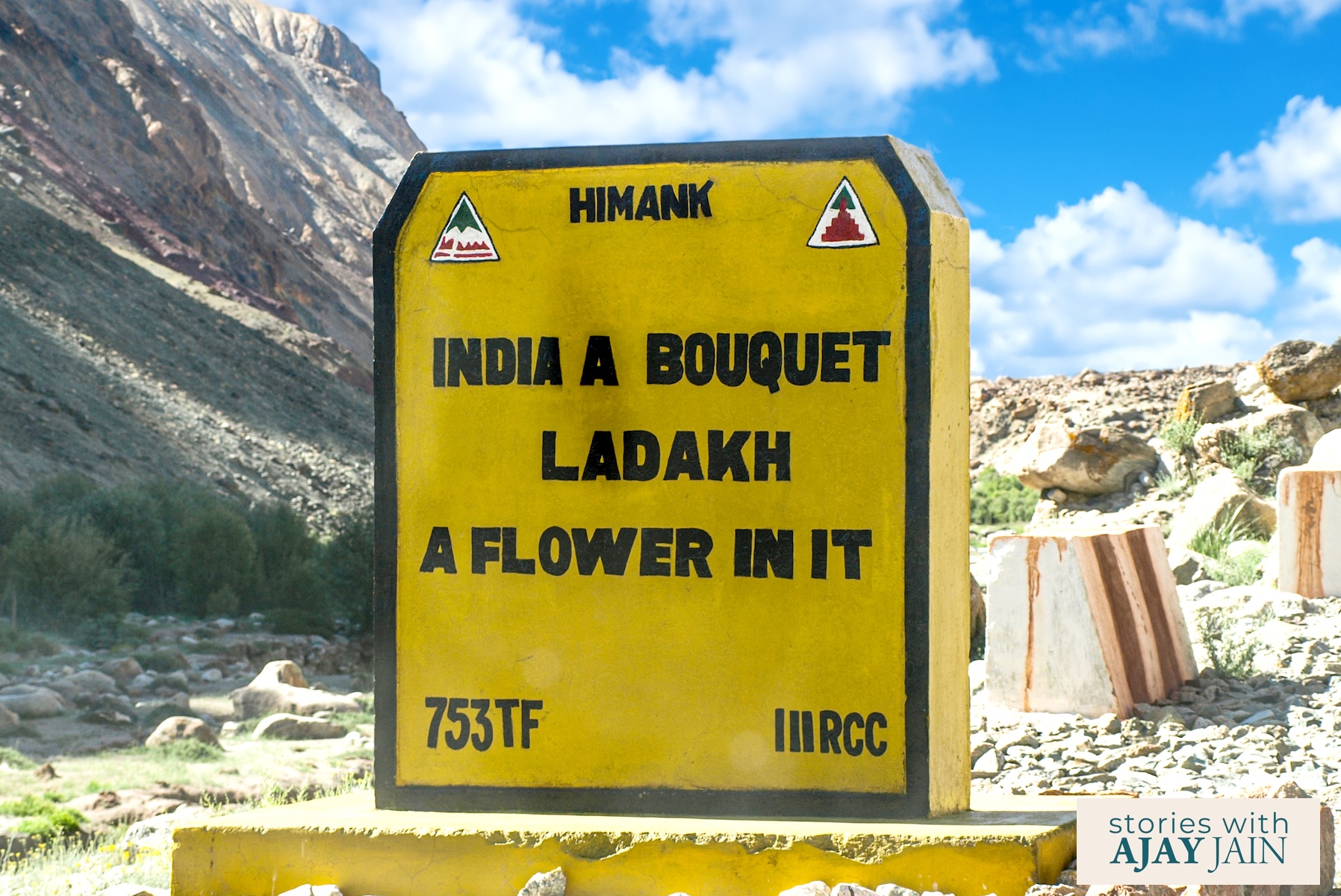
Ladakh means ‘land of high passes.’ But it is a metaphor for much more.
It’s an innocent world, where a four-year-old trusts a stranger enough to hitch a ride. Unlike denizens of other impoverished regions, Ladakhis reverse migrate to their land after having gained better education. They value their cow and goat more than a regular job, and thus live on in remote villages. Endangered animals and birds are protected. Hoteliers are fine with limited tourism; money matters less as long as their habitat is preserved. Only Ladakh could have a sanctuary for old, ailing donkeys.
It is a land where spiritual leaders go beyond their brief to work for the causes of education, health, culture and environment. They inspire villagers to keep the land clean and green, and teach them to live to love. Religion is a way of life, not a frenzy. Thousands congregate to pray without causing a stampede. No one kills for faith, though monks have taken up arms to protect their people in the past.
Ladakhis greet strangers and friends alike with a cheerful Julley. A cup of tea, a hot meal and a room are always available for visitors. Village kids offer you freshly plucked peas but don’t plead for sweets and money.
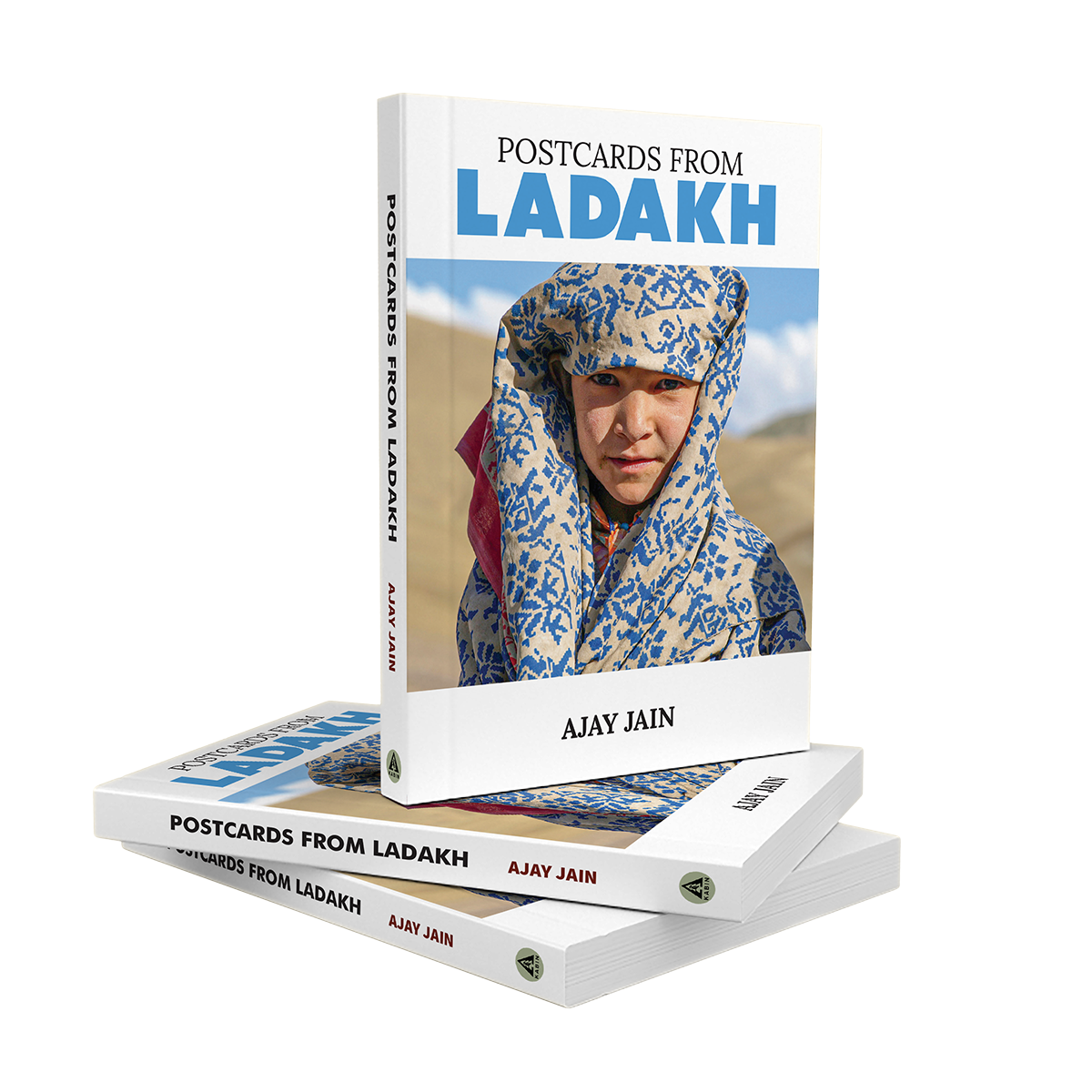
No Ladakhi is a stranger. We just haven’t had the time to meet them all. Let us visit some of them in my book ‘Postcards From Ladakh’.